what happens if you don t take hormones after hysterectomy Hysterectomy guide
As women, we face many health challenges throughout our lives, and one of the most common procedures you may encounter is a hysterectomy. This procedure involves the removal of your uterus, and may also involve the removal of other reproductive organs such as the ovaries and fallopian tubes. There are multiple reasons why a hysterectomy may be recommended by your doctor, such as severe menstrual bleeding, uterine fibroids, endometriosis, or uterine prolapse. However, before making a decision, it is important to understand what the procedure entails, as well as the potential risks and benefits. During a hysterectomy, your surgeon will make an incision in your abdomen or vagina and remove your uterus. Depending on the reason for the procedure, they may also remove other organs such as the ovaries and fallopian tubes. The surgery may be performed using traditional open surgery, or minimally invasive techniques such as laparoscopy. As with any surgery, there are risks associated with a hysterectomy. These include bleeding, infection, damage to other organs, and reaction to anesthesia. Additionally, the removal of your ovaries may cause hormonal changes that can lead to menopausal symptoms such as hot flashes, mood swings, and vaginal dryness. On the other hand, there are also potential benefits to a hysterectomy. For example, if you have been dealing with heavy menstrual bleeding or painful periods, the procedure can provide relief and improve your quality of life. Additionally, if you have been diagnosed with uterine cancer or other conditions requiring the removal of your uterus, a hysterectomy can be life-saving. It is important to have open and honest communication with your doctor when considering a hysterectomy. They can provide you with personalized information about your specific situation and guide you through the decision-making process. You may also want to seek a second opinion to ensure that a hysterectomy is the best option for you. In the meantime, you can take steps to maintain your overall health and well-being. Eating a balanced diet, getting regular exercise, and managing stress can help reduce your risk of developing health issues that may require a hysterectomy in the future. Remember, a hysterectomy is a major surgery that involves significant risks and benefits. If you are considering this procedure, make sure to do your research, ask questions, and seek support from your healthcare team and loved ones.
If you are searching about All About Hysterectomy | Menopause Now you’ve came to the right place. We have 5 Images about All About Hysterectomy | Menopause Now like Hysterectomy Guide | Drugs.com, All About Hysterectomy | Menopause Now and also Hysterectomy Guide | Drugs.com. Here it is:
All About Hysterectomy | Menopause Now
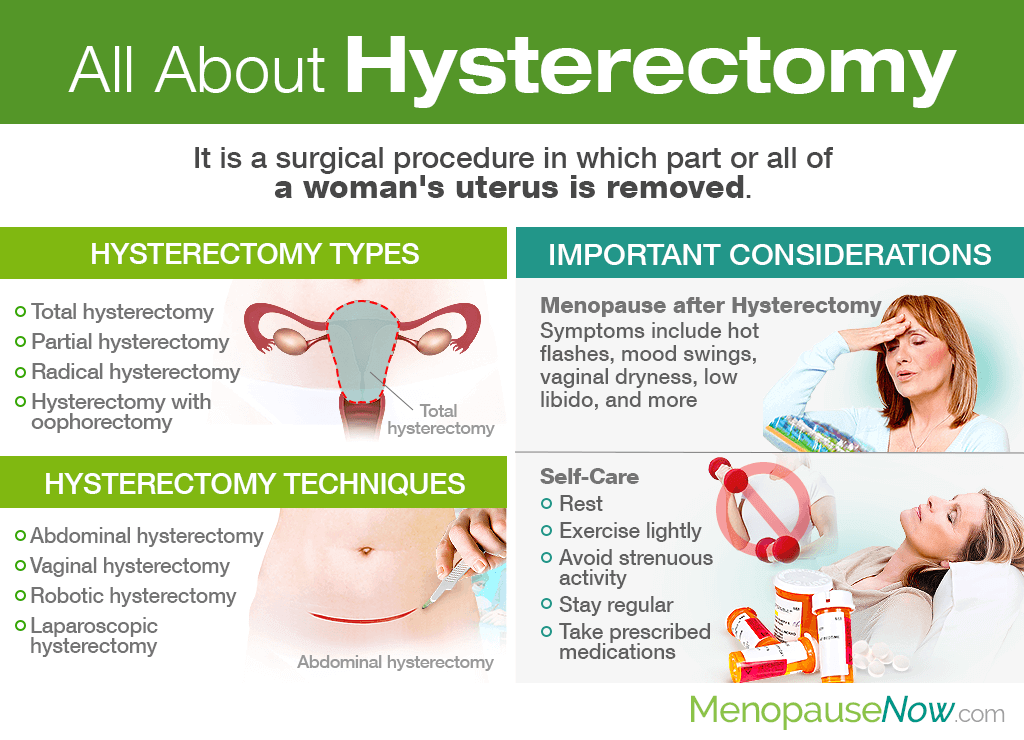 www.menopausenow.comhysterectomy partial recovery menopause types surgery symptoms endometriosis reasons causes menopausenow laparoscopic choose board diagnosis
Hysterectomy Guide | Drugs.com
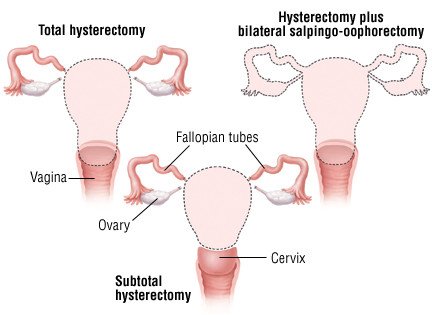 www.drugs.comhysterectomy abdominal incision uterus abdomen incisions
What Happens To Your Hormones After A Hysterectomy | Hysterectomy
 www.pinterest.comhysterectomy hormones happens after
Pin On Hormones After Hysterectomy
 www.pinterest.comhysterectomy
Pin On Health Tips
 www.pinterest.comhysterectomy after tips recovery surgery first days youbrewmytea health choose board
Hysterectomy guide. Hysterectomy after tips recovery surgery first days youbrewmytea health choose board. What happens to your hormones after a hysterectomy